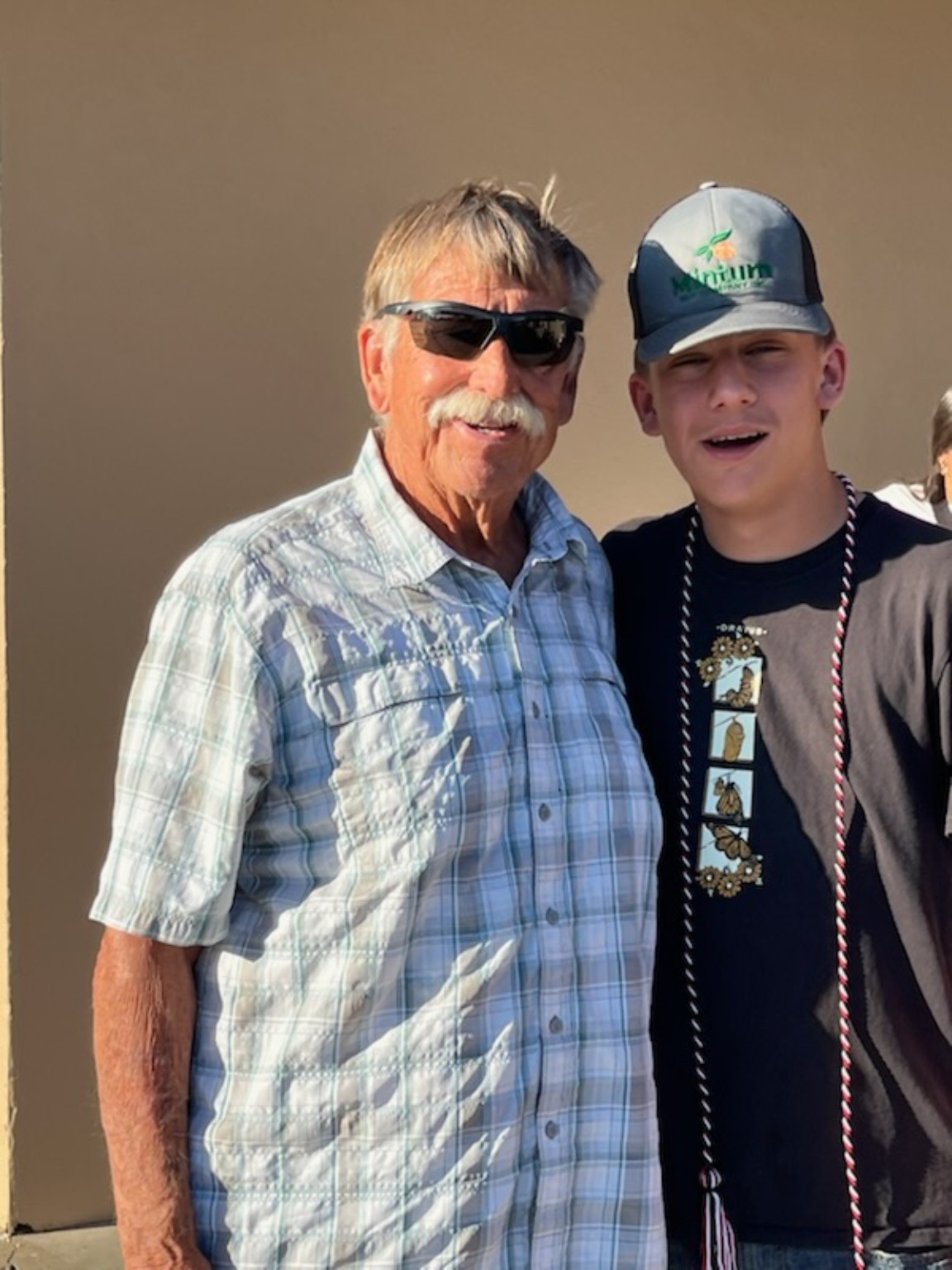
Four generations

Rooted here. Looking ahead.

Hunt Farms has moved through different eras of California agriculture. Each has shaped the farm we are today.

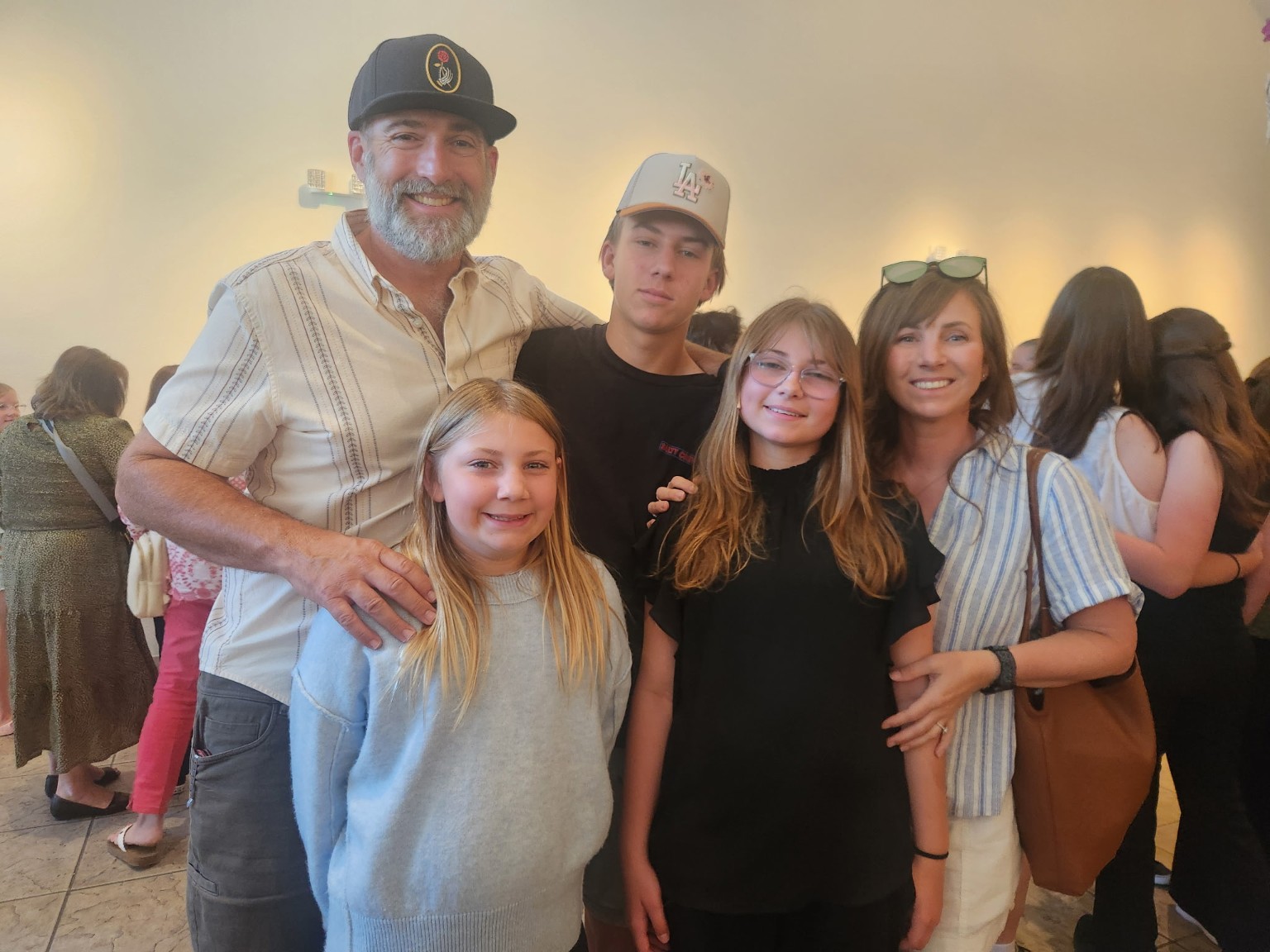
The Hunt family together at an indoor gathering
Family time, beyond the farm.

A family farm,
built over generations.

The crops have changed, and so has the work. What carries forward is what each generation learns in the field and passes on to the next.

From cattle to row crops, from almonds to agave, we have kept adapting so the family can keep farming.

1976

A family commitment to the land

The family purchased 3,000 acres already known as Hunt Farms, with family members co-signing the purchase. Cow-calf ranching became a major part of the operation, with four herds: Beefmaster, Black Angus, Red Angus, and a mixed herd known as the “rainbow” herd.

By 1981

Farming and ranching together

Alongside farming and cattle on the home ranch, the family leased several thousand additional acres for grazing. Working the ground and caring for livestock were both part of daily life.

1995–2000

A new focus on crops

Beginning in 1995, the farm gradually sold its cattle and gave up grazing leases as corn and alfalfa became a larger part of the business. The operation included 500 acres of alfalfa. Within five years, the cattle herds had been sold and farming centered on 2,400 acres of family land. Around 500 acres a year were rented to tomato growers, rotating with the farm’s own crops.

1998 onward

The almond years

A 600-acre parcel known as the Smith property became the setting for another chapter. Almond planting began in 1998, with 200 acres established over six years. The remaining ground supported grain crops and natural pasture leased for cattle grazing.

2000

The next generation carries on

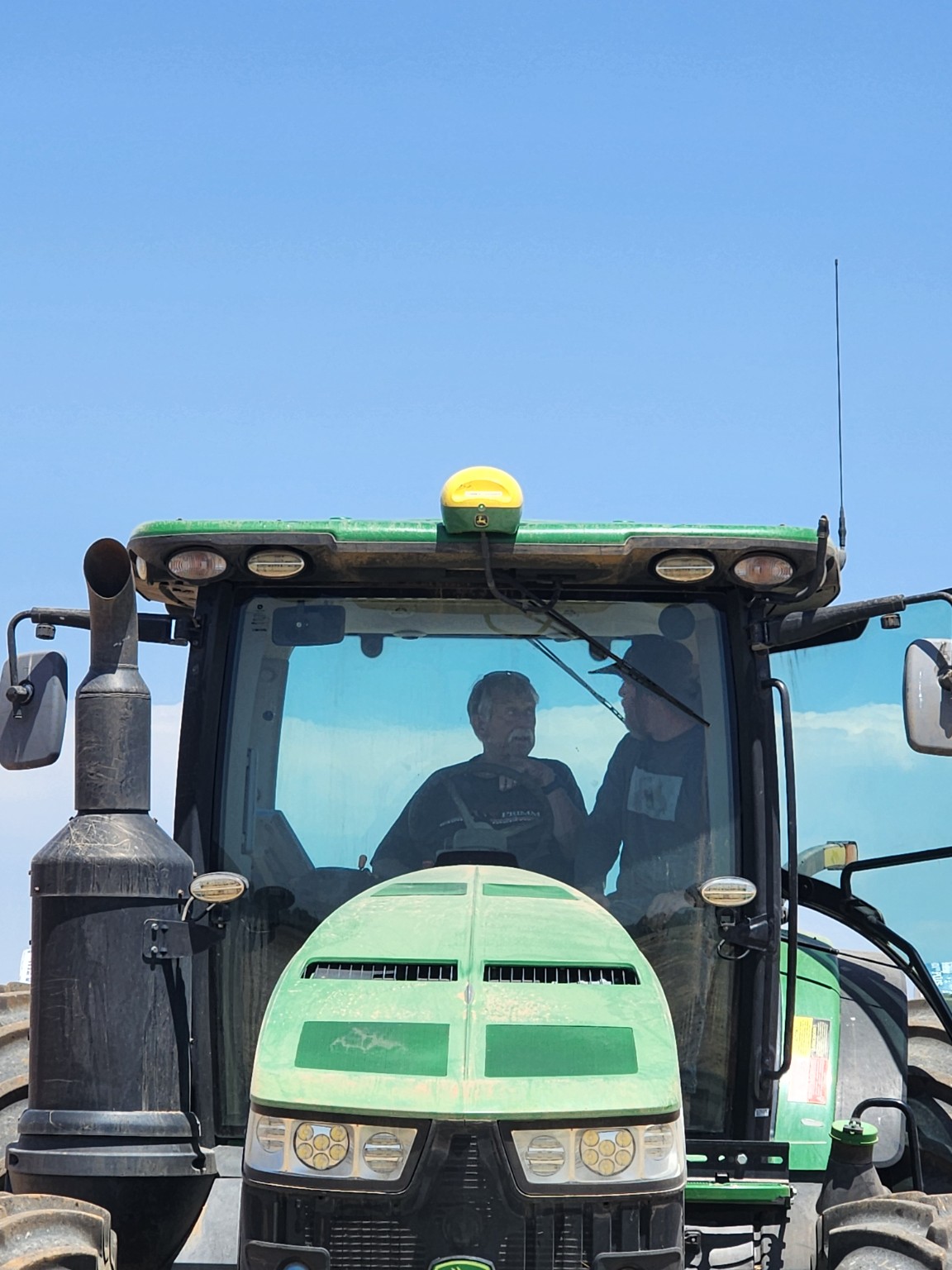
Father and son continued the farming operation by renting land from the family and working additional leased ground. Knowledge of the fields, equipment, and irrigation carried forward through the everyday work.

2015

Another change on the main ranch

Woolf Farming leased 1,124 acres of the main family ranch, marking another change in how the land was farmed.

Today

Agave and the next generation

Now a fourth-generation family farm, Hunt Farms is entering a new era focused on planting agave. We are learning what works on our ground, helping growers develop practical planting plans, and developing a farm school to share that knowledge.

HUNT FARMS // GARAGE 1777

1777 / DIRT RUN

Hunt Farms Racing · MDR & BITD · 2004–2010. Steer with arrows, A / D, or drag. Dodge rocks (−250) and collect agave (+177).

SCORE 0000

Hunt Farms / The field notebook

What we’re learning out here.

A few pages from the farm: what we’re growing, what to look for and what we hope to teach.

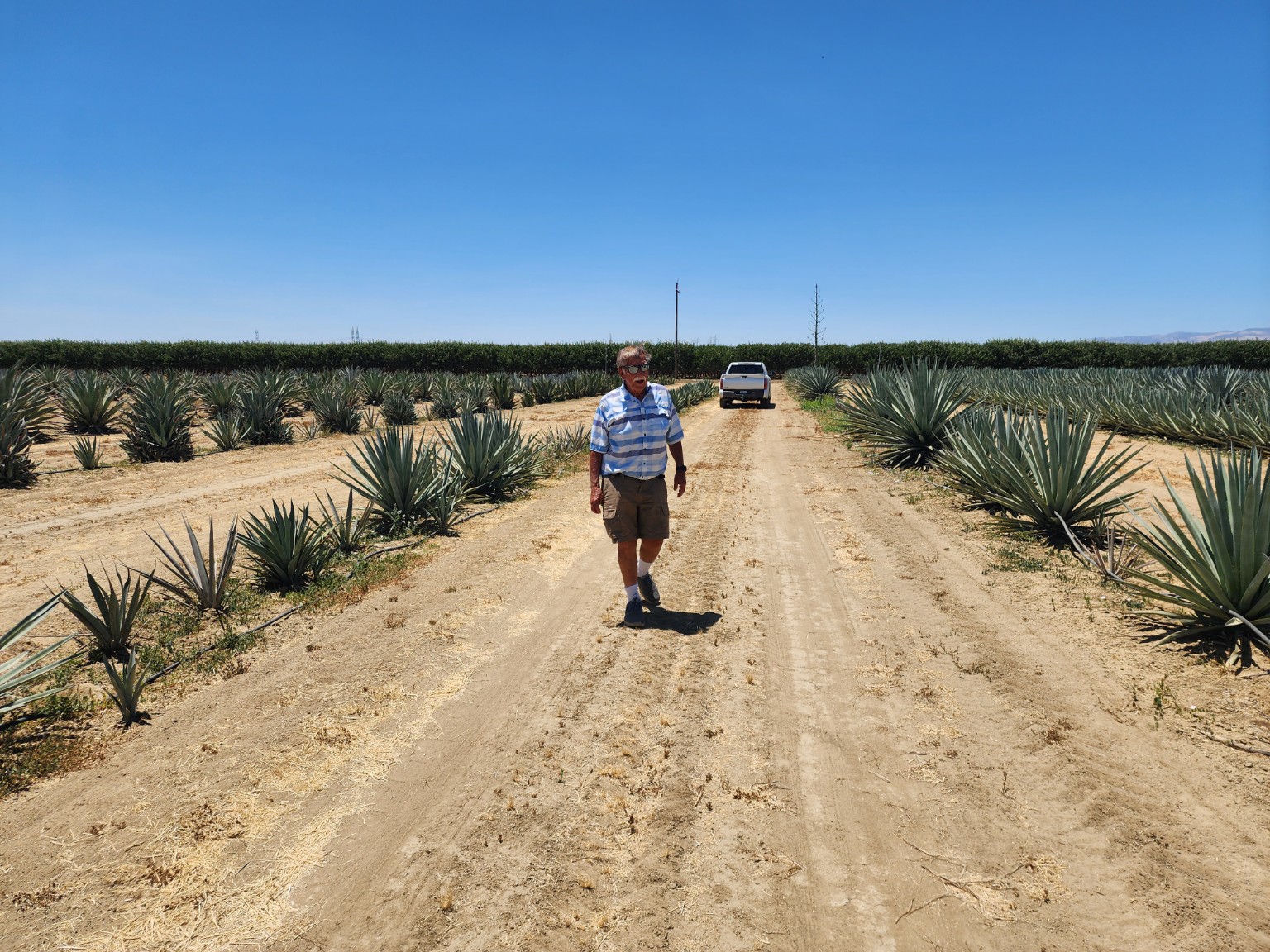
A walk between the agave rows at Hunt Farms
Hunt Farms · From our field and family photographs

FIELD NOTE 01 / The planting

Three varieties. One place to learn.

We’re growing Yolo, Weber Azul and Espadín at Hunt Farms. Planting something new starts a long list of questions—not a list of guaranteed answers.

What would you record first?

Give each plant or sample group a consistent ID. Record its variety, planting date and location, then take repeat photos from the same spot. A comparison only helps if you know what you’re comparing.

Keep looking. Keep asking. Bring boots.